




Bitcoin (BTC): Past, Present, and Future?
The story of Bitcoin starts in 2008. The financial system was breaking down. Banks were failing. Governments were bailing them out. People were losing trust in money itself.
Then came a strange nine-page document published online by someone using the name Satoshi Nakamoto. This document was called a whitepaper. The title was “Bitcoin: A Peer to Peer Electronic Cash System.”
Satoshi’s idea was simple but powerful. Money that works without banks. Money that runs on maths and computers instead of governments. Money that belongs to people, not institutions.
In January 2009, the first Bitcoin block was created. It was called the Genesis Block. Inside it, Satoshi left a hidden message. It quoted a newspaper headline: “Chancellor on brink of second bailout for banks.” That was a clue. Bitcoin was created as a response to the failures of the banking system.
The first-ever Bitcoin transaction happened days later. Satoshi sent coins to a programmer named Hal Finney. At the time, the coins had no price. They were just lines of code.
It took about a year before Bitcoin had any real-world value. In 2010, a man named Laszlo Hanyecz paid 10,000 Bitcoins for two pizzas. Back then, that was worth about $25. Today, those same coins would be worth billions. That day became known as Bitcoin Pizza Day.
For the next few years, Bitcoin spread slowly across internet forums. It was seen as digital gold for computer geeks. But the idea was strong. And it kept growing.
The Growth and Price Journey
Bitcoin’s price history looks like a rollercoaster. It went from almost nothing in 2009. To one dollar in 2011. Then to $31 that same year before crashing back down to $2.
In 2013, it hit $266. By late 2013, it crossed $1,000 for the first time. But the following years were rough. Exchanges were hacked. Governments cracked down. Prices fell hard.
Then came the massive bull run of 2017. Bitcoin soared close to $20,000. It was everywhere in the news. Friends, relatives, even taxi drivers were talking about it.
But just like every bubble, it burst. By 2018, the price had crashed to around $3,000. Many thought Bitcoin was finished. But behind the scenes, developers kept building.
In 2020, a global pandemic hit. Governments printed huge amounts of money to keep economies alive. People worried about inflation. And suddenly, Bitcoin looked like digital gold again.
By late 2020, Bitcoin reached new highs. In April 2021, it hit $64,000. Later that year, it almost touched $69,000. That was the all-time high so far.
Since then, Bitcoin has dropped and risen many times. It remains volatile. But compared to the early days, it is now a recognised global asset.
The Present: Where Bitcoin Stands Now
Today, Bitcoin is no longer a strange internet experiment. It is the largest cryptocurrency in the world. It has a market value in the hundreds of billions of dollars.
Some countries ban it. Some allow it. And one country, El Salvador, even made it legal tender in 2021.
Big companies have joined the game, too. Tesla once bought Bitcoin. MicroStrategy, a major software firm, holds billions in Bitcoin. Large banks and investment funds are offering Bitcoin services to their clients.
At the same time, Bitcoin is still debated. Critics say it wastes too much electricity. They call it too slow and too expensive for everyday payments. Supporters argue that mining secures the network. And they see Bitcoin as the purest form of hard money ever created.
Right now, Bitcoin is treated mostly as a store of value. People buy it to hold it, like digital gold. Not many buy coffee with it. But many see it as protection against inflation and unstable economies.
The Future of Bitcoin (BTC)
So what comes next? Bitcoin’s future depends on adoption, regulation, and technology.
- Adoption
More shops, apps, and countries may start using Bitcoin for payments. As trust builds, more ordinary people could hold it just like they hold savings accounts.
- Scarcity
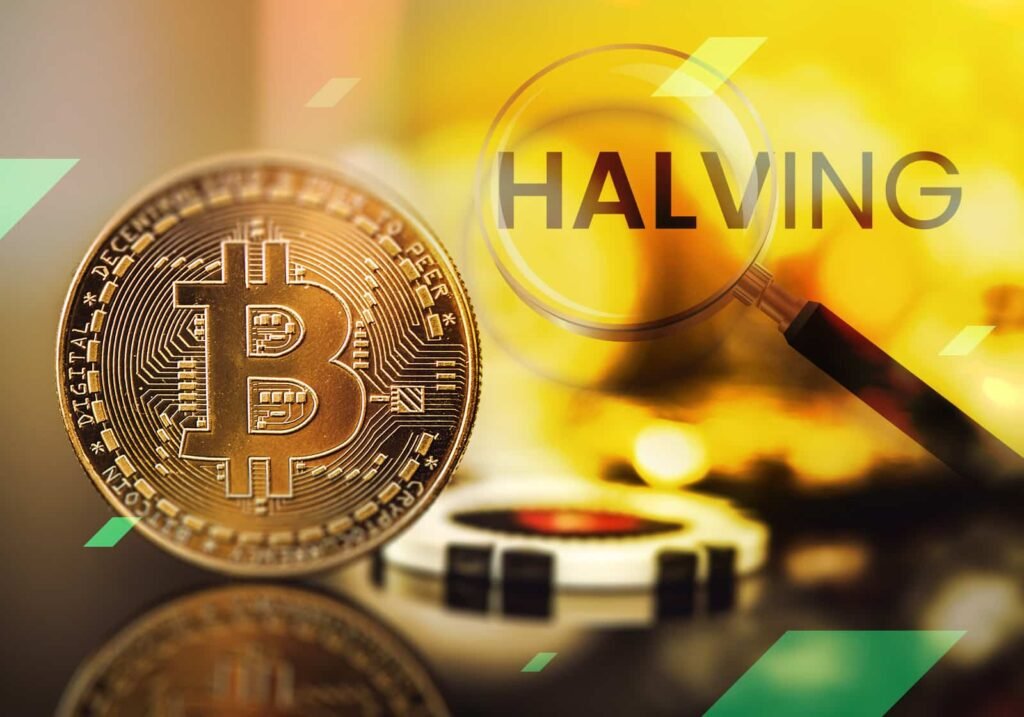
Bitcoin has a built-in cap of 21 million coins. Every four years, the reward for mining new coins gets cut in half. This is called the halving. It makes the new supply smaller and smaller until eventually no new Bitcoins will be created. That scarcity is why many believe the price will rise in the long run.
- Regulation
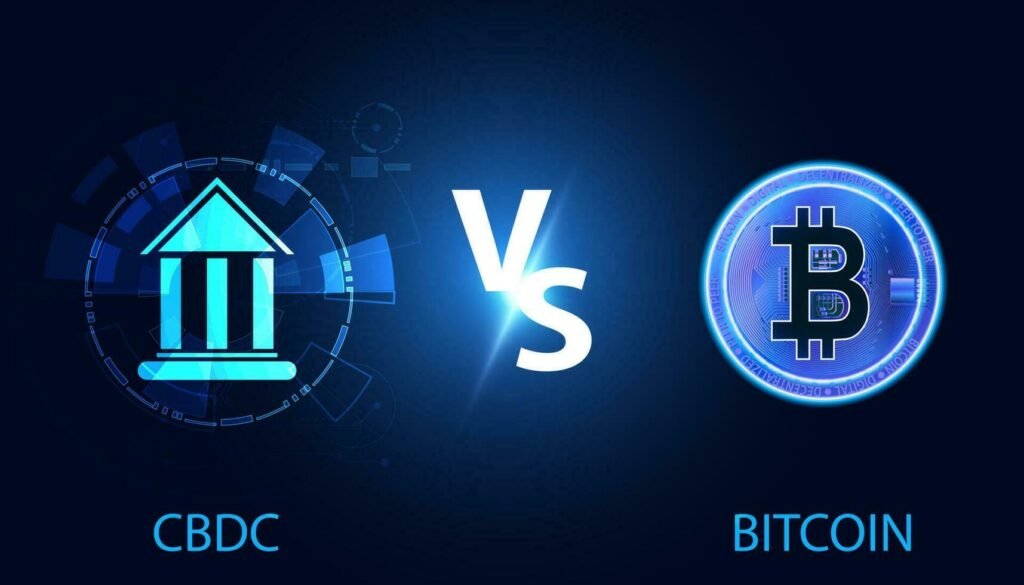
Governments want control over money. They are creating digital currencies of their own. Some may regulate Bitcoin heavily. But because Bitcoin is decentralised, no single government can stop it.
- Technology
Developers are working on improvements like the Lightning Network. This makes payments faster and cheaper. If it succeeds, using Bitcoin for everyday shopping could become normal.
- Price Possibilities
Some experts predict Bitcoin could reach $130,000 or even more. Others think it may stay volatile forever. The truth is, no one knows. It could rise sky high. Or it could crash hard.
Final Thoughts
Bitcoin started as an idea by a mysterious person. It became the first successful digital money. It survived crashes, hacks, and bans. And it has gone from being worth zero to tens of thousands of dollars per coin.
Today it stands as digital gold, used by millions, debated by billions, and watched by governments everywhere. Its past shows survival. Its presence shows power. Its future is still wide open.
One thing is sure. Bitcoin is not just an experiment anymore. It is history in motion. And the story is still being written.
About The Author