




Goldman Sachs CEO David Solomon Now Owns Bitcoin, Marking Major Turning Point for Crypto Legitimacy
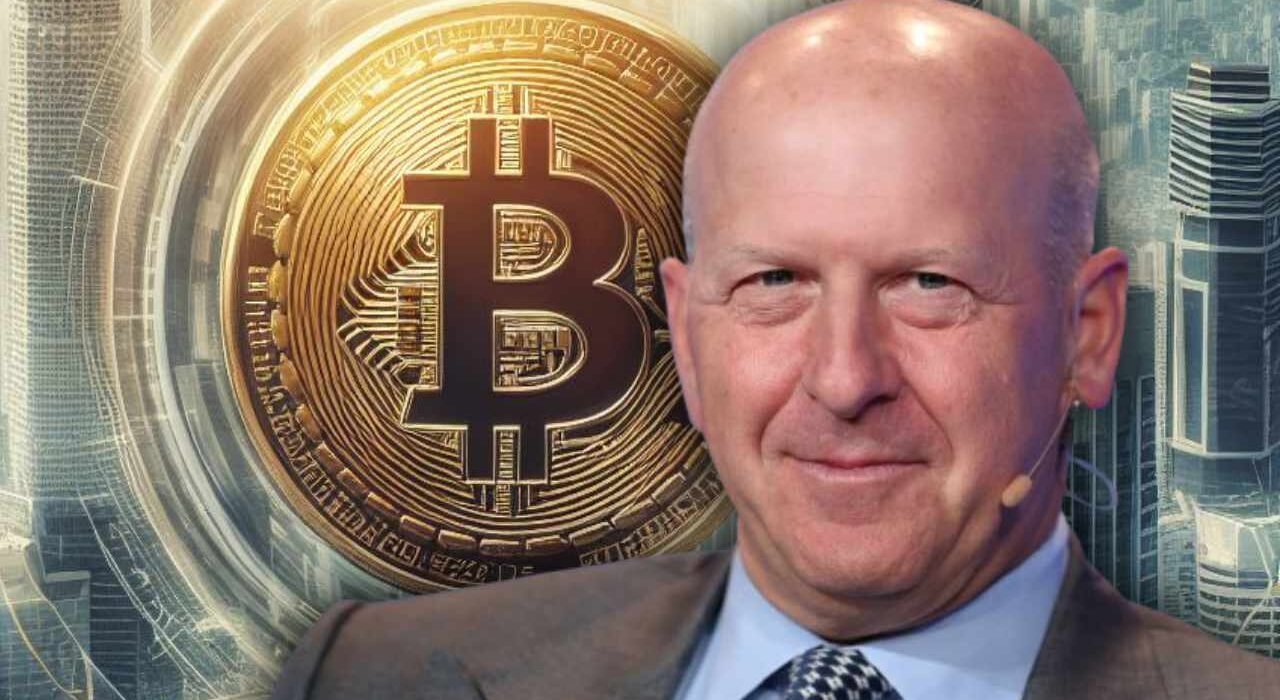
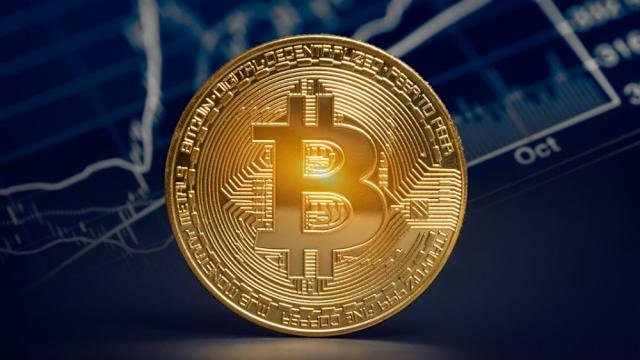
In a development that underscores cryptocurrency’s growing acceptance within traditional finance, Goldman Sachs CEO David Solomon has confirmed that he personally owns Bitcoin. The revelation marks a significant shift in sentiment from one of Wall Street’s most influential leaders and highlights crypto’s increasing legitimacy as an institutional asset.
Speaking at a financial forum, Solomon said he owns “very little bitcoin” and continues to observe its market behavior cautiously. According to Investing.com’s report, Solomon emphasized that his interest remains exploratory rather than speculative.
The statement is particularly notable given Solomon’s previously cautious stance on cryptocurrencies. As CEO of Goldman Sachs, his personal investment sends a powerful signal about crypto’s evolving role in the global financial system.
Symbolic Shift: From Crypto Skepticism to Ownership
David Solomon has historically expressed skepticism about cryptocurrencies, often highlighting volatility concerns and regulatory uncertainty. However, his recent acknowledgment of Bitcoin ownership reflects a broader trend among institutional leaders reevaluating digital assets.
Bloomberg reported that Solomon’s comments came as institutional adoption continues to expand, driven by increasing regulatory clarity and investor demand.
This shift from skepticism to ownership is symbolic. Even a limited personal investment by a top banking executive represents a fundamental change in perception. Financial leaders who once viewed Bitcoin as speculative are now treating it as a legitimate asset class worthy of consideration.
Institutional Adoption Accelerates Across Wall Street
Solomon’s Bitcoin ownership is part of a broader institutional adoption trend that has reshaped financial markets over the past several years. Major financial institutions, including Goldman Sachs, BlackRock, and Fidelity, have expanded their crypto services, offering trading, custody, and investment products to clients.
Goldman Sachs itself has increased exposure through Bitcoin ETFs and crypto-related financial products, according to reports from TheStreet.
Institutional adoption plays a crucial role in crypto legitimacy. When large financial institutions allocate capital to digital assets, they enhance market stability, increase liquidity, and improve investor confidence.
Bitcoin’s transition from a niche technology to a recognized financial asset reflects growing acceptance within traditional banking systems.
Why This Matters: Institutional Legitimacy and Market Confidence
The CEO of Goldman Sachs owning Bitcoin carries substantial symbolic weight beyond the size of his investment. Goldman Sachs is widely regarded as one of the most influential financial institutions globally, shaping investment trends and regulatory discussions.
Solomon’s ownership provides several important signals:
- Institutional Confidence: Personal ownership indicates confidence in Bitcoin’s long-term viability.
- Market Legitimacy: Bitcoin’s status as a legitimate asset class gains validation from elite financial leaders.
- Investor Trust: Retail and institutional investors may view crypto as safer and more credible.
- Industry Momentum: Other financial institutions may accelerate crypto adoption.
Such developments reinforce Bitcoin’s transition into mainstream finance.
Goldman Sachs’ Growing Crypto Strategy
Goldman Sachs has gradually expanded its involvement in digital assets. While regulatory restrictions previously limited direct Bitcoin ownership by banks, Goldman has developed crypto trading services, blockchain infrastructure, and institutional investment products.
According to New York Post coverage, Goldman Sachs has positioned itself to benefit from crypto’s long-term growth while maintaining regulatory compliance.
Client demand has been a major driving force behind the bank’s crypto strategy. Institutional investors increasingly view Bitcoin as part of diversified portfolios, encouraging banks to provide related services.
Solomon’s personal Bitcoin ownership aligns with Goldman Sachs’ broader strategic direction.
Regulatory Clarity Remains a Key Factor
Regulation continues to play a critical role in crypto adoption. Financial institutions require regulatory clarity before fully integrating digital assets into their services.
Solomon emphasized the importance of clear regulatory frameworks, stating that crypto markets require structured oversight to ensure stability and investor protection.
Improved regulation can reduce risks such as fraud, market manipulation, and security vulnerabilities. Regulatory clarity also enables banks to participate more actively in crypto markets.
Governments worldwide are developing policies to address digital assets, which may accelerate institutional adoption.
Bitcoin’s Evolution Into a Mainstream Asset
Bitcoin has undergone a dramatic transformation since its creation in 2009. Initially viewed as an experimental digital currency, it has evolved into a globally recognized asset class.
Key milestones in Bitcoin’s evolution include:
- Early Adoption (2009–2013): Limited to technology enthusiasts and niche communities.
- Speculative Growth (2014–2017): Increased investor interest and price volatility.
- Institutional Interest (2018–2021): Financial institutions began exploring crypto services.
- Institutional Adoption (2022–Present): Major banks and asset managers integrated crypto into financial products.
Solomon’s Bitcoin ownership represents the latest stage in this evolution.
Bitcoin is no longer viewed solely as speculative. It is increasingly recognized as a legitimate financial asset.
Impact on Global Financial Markets
The involvement of major financial institutions and executives strengthens Bitcoin’s position within global markets. Institutional adoption contributes to:
- Market Stability: Institutional investors provide liquidity and reduce volatility.
- Increased Trust: Financial institutions enhance credibility.
- Broader Accessibility: Investment products make crypto accessible to traditional investors.
- Integration with Financial Systems: Crypto becomes part of mainstream finance.
These developments support Bitcoin’s continued growth and legitimacy.
Expert Analysis: A Turning Point for Crypto Legitimacy
Financial analysts view Solomon’s Bitcoin ownership as part of a broader shift toward institutional acceptance.
Institutional involvement is widely considered essential for crypto’s long-term success. When financial leaders adopt Bitcoin personally, it reinforces confidence among investors and institutions.
Bitcoin’s legitimacy increasingly depends on integration with traditional financial systems.
Solomon’s ownership represents progress toward that goal.
Risks and Challenges Remain
Despite growing adoption, cryptocurrencies still face risks and uncertainties.
- Volatility: Bitcoin prices remain unpredictable.
- Regulatory Risk: Policies vary across countries.
- Security Concerns: Hacks and fraud continue to occur.
- Market Cycles: Crypto markets experience boom-and-bust patterns.
Solomon’s cautious approach reflects awareness of these risks.
His investment represents cautious optimism rather than full endorsement.
What This Means for the Future of Crypto
The CEO of Goldman Sachs owning Bitcoin highlights crypto’s transition into mainstream finance.
Potential future developments include:
- Increased Institutional Investment
- Expanded Banking Services for Crypto
- Greater Regulatory Clarity
- Broader Adoption Among Financial Leaders
These trends suggest crypto will continue integrating into traditional finance.
Bitcoin’s legitimacy continues to strengthen.
Conclusion: Wall Street’s Crypto Turning Point
David Solomon’s confirmation that he owns Bitcoin marks a significant moment in cryptocurrency’s evolution. As CEO of Goldman Sachs, his personal investment signals growing acceptance within traditional finance.
Bitcoin has progressed from experimental technology to an institutional asset.
Wall Street’s most influential leaders are no longer ignoring crypto—they are participating in it.
This shift represents a turning point in crypto legitimacy.
Institutional adoption continues to accelerate, shaping the future of global finance.
About The Author