



BitQL Reviews 2026 – Is It A Legit Trading Platform or Scam App?
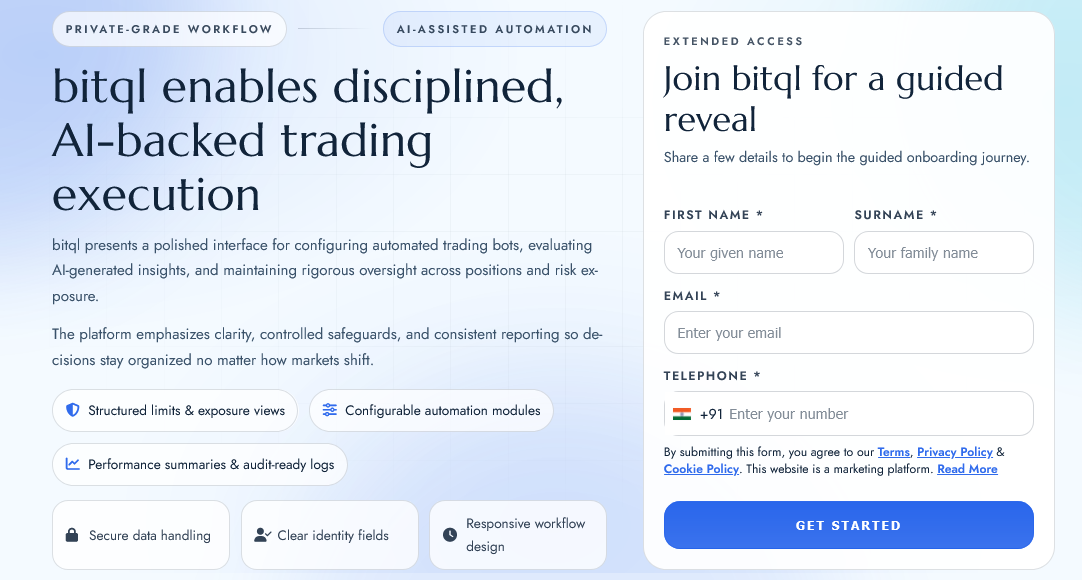
Finding a reliable gateway into crypto trading can be tricky with so many platforms promising quick results. BitQL is an online tool built to route users directly to third-party brokers and trading software.
Rather than buying marketing claims at face value, this review breaks down how BitQL works, what you can expect from its features, where the risks lie, and whether it makes sense for your trading goals.
What Is BitQL?
BitQL is not a direct exchange like Coinbase or Kraken. Instead, it works as an introductory service that pairs individual traders with independent brokerage networks.
-
Business Model: Acts as an intermediary bridge, directing your account details to an external trading provider.
-
Core Offerings: Automated broker routing, basic market dashboards, and access to third-party educational materials.
-
Target Audience: Everyday retail traders looking for a fast entry point without having to vet individual brokers manually.
-
Regional Access: Available in many international markets. Note that US and UK residents face restrictions due to domestic regulations around crypto derivatives and Contract for Difference (CFD) promotions.
How BitQL Crypto Platform Work?
Signing up and trading through BitQL involves a straightforward, step-by-step path:
-
Step 1: Registration
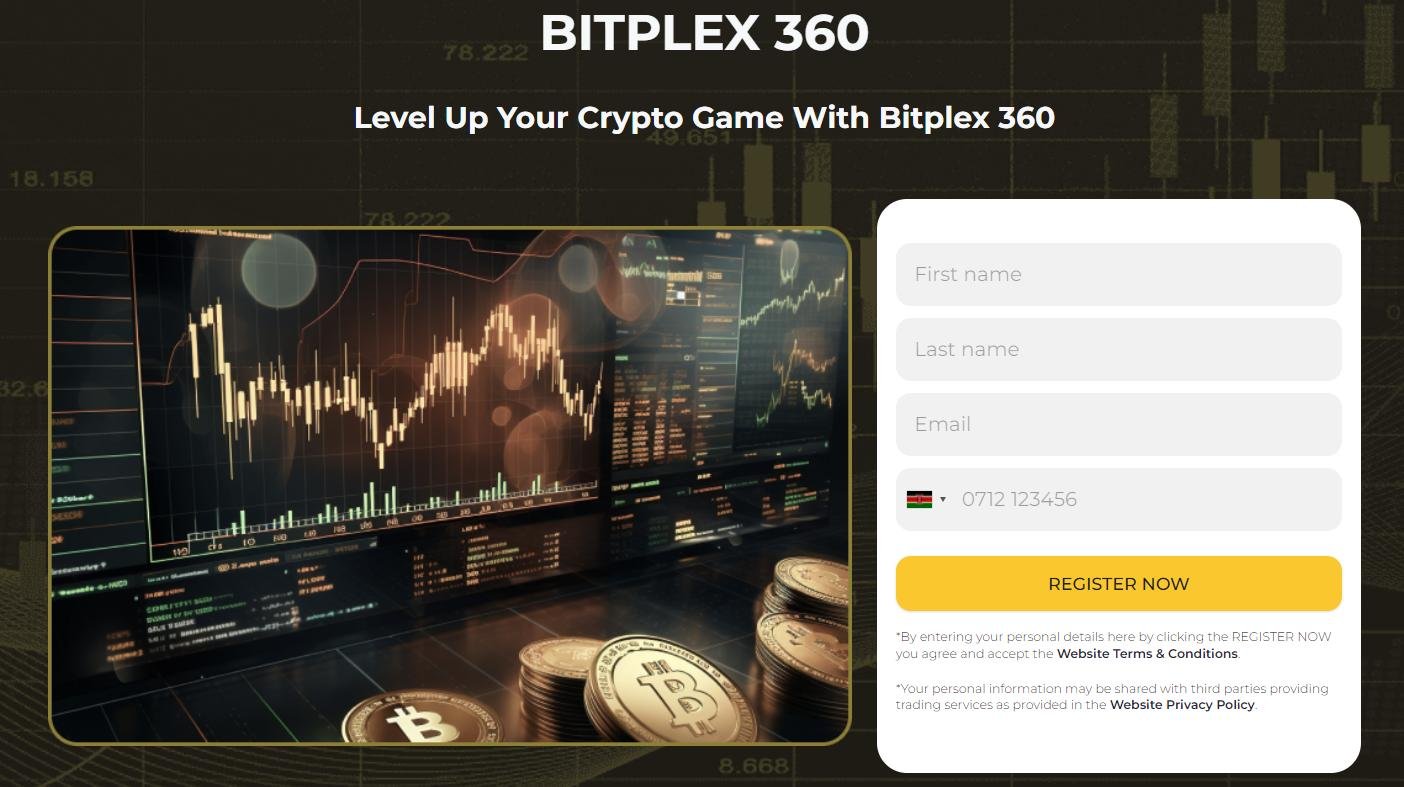
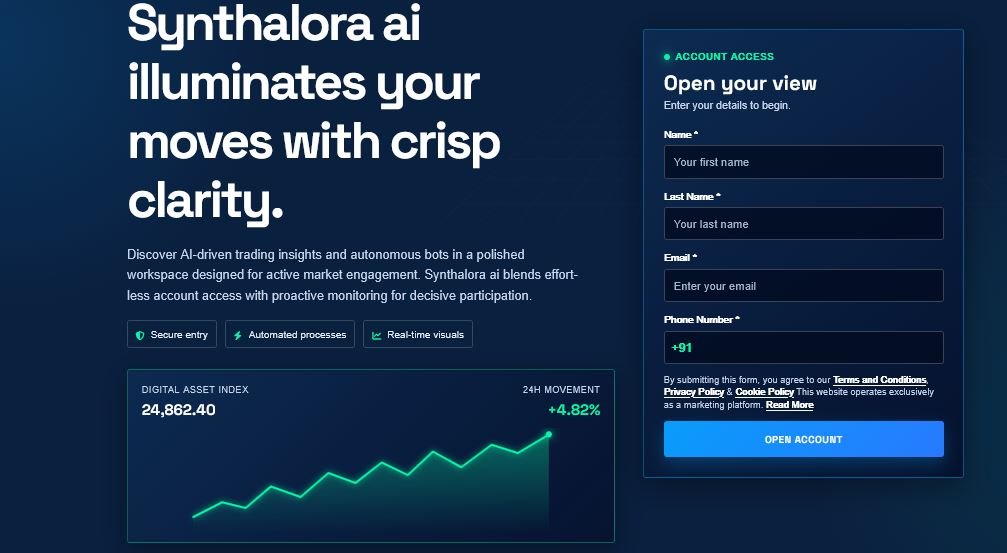
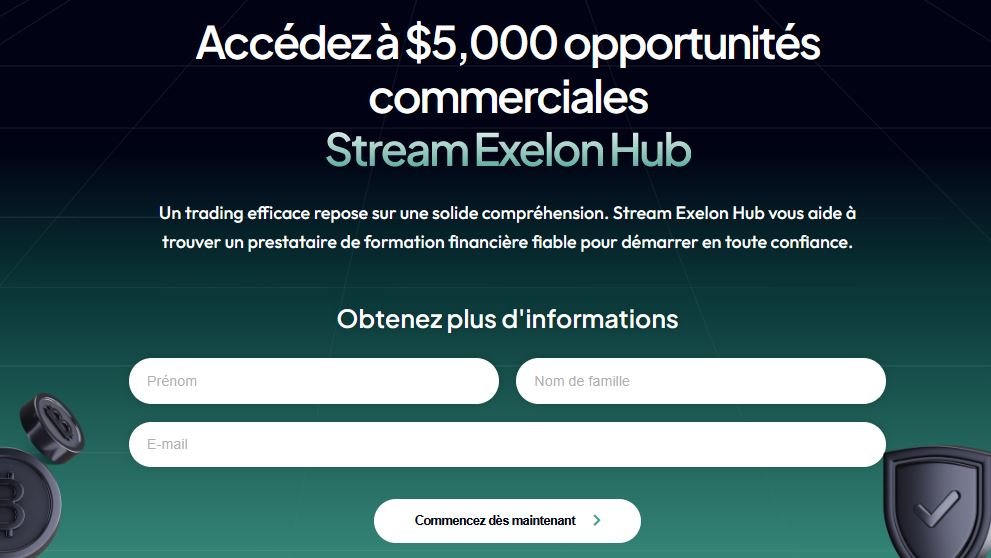
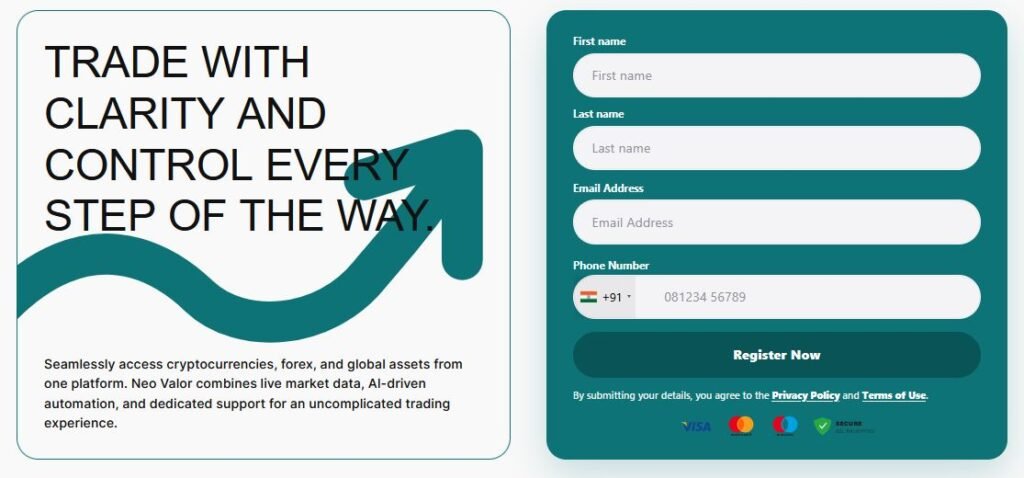
You fill out a quick form on the BitQL website with your name, email, and phone number.
-
Step 2: Broker Pairing
The system automatically matches your account with a partner broker in its network.
-
Step 3: Identity Verification (KYC)
Your assigned broker will ask for a government-issued photo ID and a recent utility bill or bank statement to verify your identity.
-
Step 4: Funding Your Account
You deposit funds directly into the broker’s platform. Most partner brokers set their minimum entry deposit around $250.
-
Step 5: Executing Trades
Once funded, you can trade manually using the broker’s chart interface or test out their automated indicator tools.
- Step 6: Cashing Out
Whenever you want to withdraw your funds or profits, you submit the request through your assigned broker’s dashboard.
Key Trading Features:
Because BitQL connects you to external brokers, the specific features you get depend entirely on the partner you are assigned to. Most partners provide a familiar set of trading tools:
-
Spot and CFD Markets: Coverage for major coins like Bitcoin (BTC), Ethereum (ETH), Solana (SOL), and several prominent altcoins.
-
Practice Demo Accounts: A risk-free paper trading mode to test out orders and chart setups before using real cash.
-
Technical Charting: Standard candlestick charts, volume indicators, and basic trendline drawing tools.
-
Automated Trading Aids: Built-in bot integrations, customizable trade alerts, or automated execution settings.
Understanding the Risks of Leverage
Many affiliated brokers focus heavily on CFDs and leveraged products. While leverage can increase potential gains on small price movements, it equally magnifies losses. If the market turns quickly against an open position, your account can be wiped out in minutes. Trade cautiously and never risk money you cannot afford to lose.
Fee Structure
BitQL does not charge an upfront fee to create an account on its website. All transaction charges, spreads, and banking fees come directly from the broker you trade with.
| Fee Type | What to Expect |
| BitQL Platform Fee | $0 (Free account creation) |
| Trading Spreads & Commissions | Determined by your paired broker; usually built into bid/ask spreads |
| Deposit Fees | Typically free on the broker end, though credit card processors may charge fees |
| Withdrawal Fees | Set by the broker based on your payout method (bank wire, card, or crypto transfer) |
| Inactivity Fees | Many brokers charge a monthly fee if an account sits idle for several months |
Always review the specific fee schedule on your assigned broker’s site before transferring any money.
Security and Regulatory Status
Before sending funds anywhere, take time to review the safety protocols and licensing:
-
Site Encryption: BitQL secures user submissions with standard 256-bit SSL encryption.
-
Account-Level Security: Features like Two-Factor Authentication (2FA) and password security are managed by the individual broker.
-
Fund Custody: BitQL never holds your money. Your deposits go straight to the partner broker’s accounts.
-
Regulation: BitQL itself is a marketing and routing service, not a registered financial firm or broker-dealer. Regulatory protection depends completely on whether the specific broker you get assigned holds a license with an authority like CySEC or ASIC.
Pros and Cons
| Pros | Cons |
| Quick and simple sign-up process | Not a direct exchange; you are handed off to external brokers |
| Access to demo accounts for practice | Company founders and ownership details are private |
| Clean interface for tracking broad market trends | Broker quality and licensing can vary widely |
| No initial fee to join the BitQL network | Not available to traders in heavily restricted jurisdictions |
Is BitQL Legit and Safe to Use?
BitQL functions as advertised by connecting users to trading platforms. That said, overall safety depends on which broker receives your information.
Because BitQL does not act as a custodian, it does not store your deposits. The main risk lies in the lack of transparency around who runs BitQL and the varying quality of third-party brokers. Before funding an account, verify that the broker assigned to you is licensed by a recognized regulatory body.
Keep in mind that crypto trading always carries market risk. Even with a fully regulated broker, rapid price swings and leverage exposure can lead to heavy losses.
Who Should Use BitQL App?
-
Traders Wanting Fast Broker Matching: Great if you want an immediate introduction to a trading dashboard without searching the web yourself.
-
Beginners Looking to Practice: Useful for traders who want to explore demo environments and get comfortable with chart tools.
Who Should Skip It?
-
Direct Crypto Buyers: If your primary goal is buying actual Bitcoin to hold in a hardware cold wallet, stick to direct exchanges like Coinbase or Kraken.
-
Traders in Restricted Regions: US and UK residents will not be able to trade CFDs through these broker networks.
-
Investors Demanding Full Transparency: If you want a platform with publicly known executives and published Proof of Reserves, an intermediary funnel will not fit your standards.
How to Get Started with the BitQL Trading Platform?
-
Go to the official BitQL website.
-
Enter your first and last name, email address, and phone number on the homepage form.
-
Wait for the system to match you with an active broker partner.
-
Upload your ID and proof of address to clear the broker’s KYC verification.
-
Deposit your initial trading capital to unlock live market execution.
Customer Support
BitQL offers a basic contact form on its website for general inquiries and sign-up issues. Once your account is set up with an assigned broker, their support team handles your everyday questions, deposit issues, and withdrawal requests via live chat, email, or direct phone support.
Final Verdict
BitQL is an accessible entry portal if you want a quick route into broker-based crypto and CFD trading. The sign-up is simple, and the inclusion of demo environments helps beginners test the waters.
Because BitQL is a middleman rather than a direct exchange, your actual trading experience comes down to the broker you get paired with. Check your broker’s licensing, test their tools with a demo balance, and start small if you decide to deposit.
Frequently Asked Questions
Q. Can I buy Bitcoin directly on BitQL?
No. BitQL connects you to external brokers that offer crypto trading instruments and CFDs. It does not run its own exchange.
Q. What is the minimum deposit required?
BitQL does not take deposits directly, but partner brokers usually require a minimum initial deposit of around $250.
Q. Is identity verification required?
Yes. While BitQL only asks for basic contact info to sign up, the partner broker will require standard KYC documents (photo ID and proof of address) before you can deposit or withdraw.
Q. What crypto assets can I trade?
Available pairs depend on the broker you are paired with, but most support major coins like Bitcoin, Ethereum, Ripple, and popular altcoins.
Q. How do I withdraw my funds?
You submit withdrawal requests directly inside the dashboard of the broker handling your account, using their supported payout methods.
About The Author